
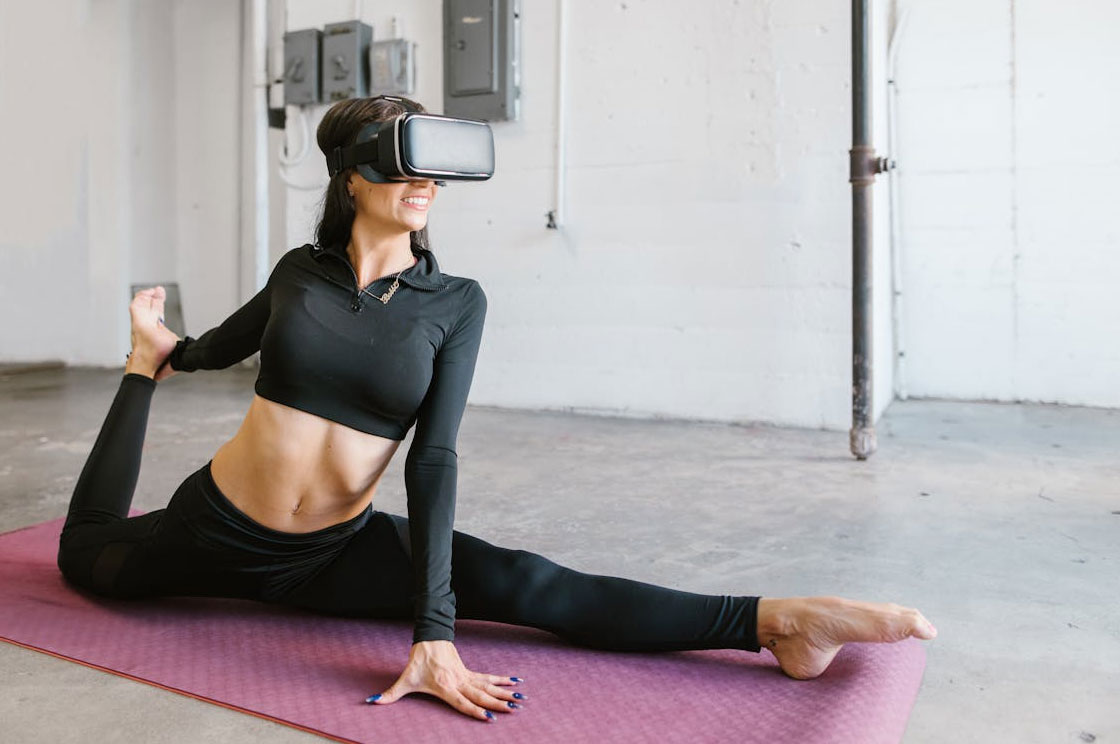
The Rising Trend Of Virtual Fitness: Pros And Cons Of Online Workouts
Are the new digital fitness trends the right choice for you? A balanced approach to exercising in the current age
A fundamental change took place in the way that the world works out in the early 2020s – and it hasn’t shifted back. After gyms were closed for the night and people were forced to retreat to backyards and living rooms The fitness industry shifted quickly towards digital delivery. Zoom yoga classes as well as on-demand fitness programs, live streaming spin sessions and AI-powered personal trainer applications flooded the market. A lot of people who not considered exercising online discovered they could have an excellent workout at home, without having to leave their house. In the years since the virtual fitness industry is no longer a panademic cure — it’s an ongoing and growing segment of the wellness industry that is worth tens of billions dollars around the world. Like all innovations there are compromises. This article offers an honest and informed look at the advantages and disadvantages of online fitness to help you decide whether and for how long virtual fitness is a good fit in your routine.
Unmatched Convenience and Accessibility
The biggest benefit of online health is that it’s accessible. There’s no need to travel, no parking, no need to wait for equipment, and there is no rigid schedule for classes to plan your day around. Parents of children, parents with hectic schedules at work, people living in rural areas away from gyms that are of a high standard or people who have physical limitations that make gyms difficult to navigate Online workouts have eliminated obstacles that made regular exercise extremely difficult. Mothers can do 30 minutes of strength training in the midst of nap time. A professional traveling around the world can do the same exercise from a hotel room three cities over the course of a week. Someone who is struggling with social anxiety may gain confidence in their fitness within the safety of their home prior to entering an exercise facility in public. The convenience of it, when it creates to be consistent, isn’t an option but is among the biggest factors that contribute to long-term success in fitness.
Extraordinary Variety and Personalization
The world of fitness online has a wide array of fitness programs that no gym or studio could match. From yoga, HIIT, Pilates barre boxing, dance cardio and mobility exercises to specialized programs designed for postpartum recovery and chronic pain management senior fitness and athletic performance in competition The variety of options that is available online is overwhelming. A lot of platforms employ adaptive algorithms to tailor programs according to your goals and fitness level, the available equipment, and your schedule and create a unique training experience that grows with you as time passes. This degree of personalization was previously only available for those who could afford private training. Nowadays, it’s accessible to everyone with smartphones and a low monthly payment. For those who are bored of routines the abundance of content available makes it simple to keep your workouts exciting as well as engaging and challenging.
Cost Savings That Add Up Significantly
The financial argument for a virtual fitness program is convincing. The typical gym membership in United States costs between forty and seventy dollars a month, and boutique gyms with premium amenities like yoga, cycling, Pilates — can cost one hundred fifty or even more a month. Online fitness platforms, in contrast, usually range between the ten-to-30 dollars a month, with numerous high-quality, free options available through YouTube as well as other sites. Through over the span of one single year the savings could easily be hundreds or even thousands especially for those who used to rely on costly private training sessions or special classes in the studio. For those with budgets that are tight Virtual fitness has made it possible to have access to professional coaching and a structured program in a manner that the traditional fitness industry could never have could have. The barrier to entry – among the top and most frequently mentioned reasons why people don’t exercise regularly significantly decreased.
The Absence of Real-Time Form Correction
The most important drawback of virtual fitness and one with serious health risks is the absence of certified and real-time feedback about fitness quality. In an actual gym or studio, an experienced instructor will examine your posture, spot the risky knee position when you do the squat, or fix the alignment of your spine in your deadlift prior to an injury. On the internet, even in an instructor-led class is unable to observe the student. For those who are just working on body awareness and understanding fundamental movements, doing exercises in a manner that is not supervised by a professional can pose an increased possibility of developing bad habits or suffering from injuries that are preventable. Certain sports — such as kettlebells, weightlifting as well as gymnastics-based exercises, and any program that is high-impact require a foundation of technical guidance which a computer screen can’t offer. This isn’t a reason to stay away from virtual fitness completely however, it’s a good reason to consider investing in at least occasionally in-person instruction, especially when learning new patterns of movement.
The Motivation and Accountability Challenge
One of the least appreciated benefits of the traditional gym is the social accountability system. If you are paying for the class and there’s an instructor who is actually expecting you to participate, the risk of skip a class is significantly higher than if your only obligation is to click play on the screen. Research consistently indicates an increased level of accountability through social interaction — exercising with other people, having a coach who is aware of your absence, being part of an organization with common goals — is among the most reliable predictors of long-term fitness commitment. Virtual fitness, due to its nature, does not have many of these social-based mechanisms. The temptation to stop an exercise or cut it short or not even begin even if you want to is greater in a home environment, where distractions are all around and there is no one to watch. People who are motivated tend to do well in virtual settings, however those who have traditionally had trouble keeping their commitments and consistency, the absence of external accountability could be an enormous obstacle.
The Loss of Community and Human Connection
For a lot of people, a fitness center or gym is more than just the place to work out it’s an experience for a whole community. The bonds formed during the weekly spin class, the camaraderie that is a part of running clubs as well as the relationship between experienced athletes and newcomers as well as the basic human act of sharing a challenging physical challenge with others — these are all social and psychological advantages that no app could duplicate in full. Social isolation and loneliness are becoming serious health issues for the public and regular membership in local fitness groups has been an effective remedy for many. If fitness is entirely online, this element disappears. Certain platforms have invested a lot in creating digital communities via online classes, leaderboards and social functions and have an actual significance. However, for many the energy and excitement of an entire room of people who are working together can’t be replicated on a screen and the absence of it is felt much more than would have.
Finding Your Ideal Balance: The Hybrid Approach
The best strategy for most people isn’t to pick between online and in-person fitness, but rather to combine both in a smart way. Utilize online platforms to facilitate exercise during busy times and early mornings, as well as for travel or times when a trip to a fitness center is difficult. Make reservations for in-person classes such as an exercise studio, a gym course, or sessions with a trainer to improve your techniques, maintaining a social connection and receiving feedback that safeguards you from injuries. This hybrid model combines the advantages of both the worlds with the flexibility and effectiveness of fitness through digital technology, alongside social accountability and technical guidance that comes with in-person training. The ultimate goal isn’t to find the best format — it’s to find the right combination to keep you on the right track for years and decades. This is the only exercise program that truly works.
Virtual fitness isn’t just an ongoing trend It is an integral part of the contemporary wellness landscape and with the right reason. It has made high-quality exercise programs more affordable, accessible and easy than ever before in time. However, it does have its drawbacks. Approaching it with a clear understanding of its strengths as well as limitations will help you utilize it efficiently. It doesn’t matter if you’re a dedicated fitness enthusiast at home or a gym enthusiast or someone who is attempting exercise for the first time the digital revolution has broadened the options for you tremendously. The best exercise is always the one that you perform — no matter where you happen to be.
Disclaimer This article is provided meant to be informative only and does not provide any fitness or medical advice. Get a medical or fitness expert prior to beginning any new exercise routine.