
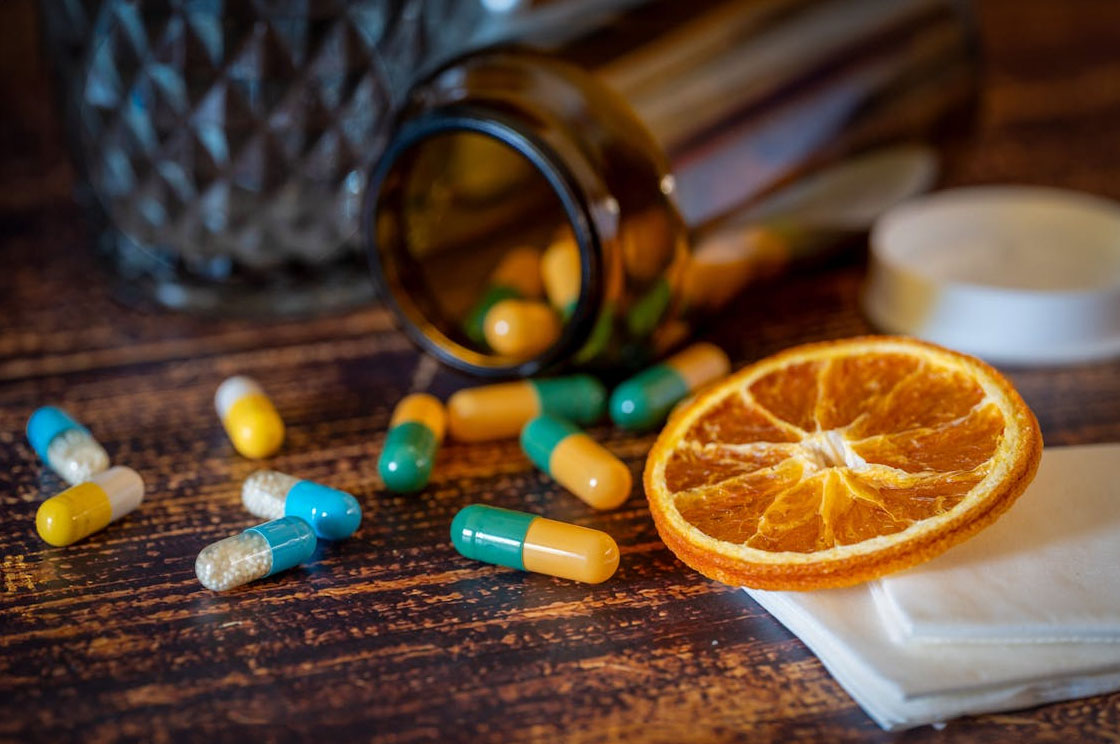
Breaking Down The Myths: Are Supplements Really Necessary For Health?
It is difficult to separate facts from fiction within the multi-billion dollar industry of supplements
The global market for dietary supplements is worth billions of dollars and is growing each year. Go to any gym, pharmacy or supermarket and you’ll find huge aisles devoted to mineral supplements, vitamins herbs protein powders, and enhancements to performance. Social media is filled with celebrities and influencers who are stacking powders and pills as part of their routine. However, in all the noise an crucial question is left unanswered whether you actually have to consume supplements in order to stay healthy? It’s a more complex question than the enthusiastic advocates for supplements or skeptics want you to believe. This article reveals the most persistent myths from factual evidence, so that you can make educated decisions regarding your health.
Everyone Needs a Daily Multivitamin
For a long time, taking a daily multivitamin was thought to be to be a mandatory health practice -as a basic insurance plan against nutritional lapses. However, the reality is much more complex. Studies of a large scale, including those released in the U.S. Preventive Services Task Force have yielded there is no evidence that supplementing with multivitamins reduces the risk of suffering from cardiovascular disease and cancer or all-cause mortality among healthy adults who have moderately balanced meals. For those who have varied and whole-foods-rich diets, supplements usually provide nutrients your body already has that are then eliminated. They may, however, be extremely beneficial for those who have restrictive diets, digestion issues, or other particular life situations like pregnancy. In the end, A multivitamin supplement isn’t always essential, but it’s in no way harmful to the majority of people. How much benefit it can bring to you is contingent on the food you already provides.
You Can Get Everything You Need From Food Alone
At the opposite end of the spectrum is an equally pervasive myth that a healthy diet renders all supplements ineffective. Although whole foods should always be the primary focus of any health plan This stance overlooks essential facts of our modern lives. Vitamin D is an excellent illustration. It is created by the skin when exposed to light, and little food items contain substantial quantities of it. Research consistently shows that a large percentage of the world’s populationespecially those living who live in sunny regions are either deficient or not enough. If you live at higher elevations, working indoors, or having darker skin tones, food alone will not fulfill your body’s Vitamin D needs without supplementation. Similar to that, Vitamin B12 is found mostly from animal sources, which makes supplements essentially unaffordable for vegetarians and vegans. The notion that a healthy diet will eliminate any need for supplements is unrealistic more than practical for many people.
More Is Always Better
The most harmful misconceptions about supplements is that higher doses will always yield superior results. This isn’t the case and in certain instances it can be extremely dangerous. Vitamins that are fat-soluble (such as A, D, E K, and D are stored in tissues of the body and can be accumulated to levels that are toxic when taken excessively over a long period of time. A high dose of Vitamin A can result in liver damage, and in turn increases the risk of fracture. In excess, iron supplementation for those who don’t need it can result in an increase in oxidative stress and damage to organs. Water-soluble supplements such as Vitamin B6 can cause peripheral neuropathy when they are in extremely large doses over long time periods. The therapeutic interval — the space from too few to excessivecan vary significantly for each the nutrient as well as by each particular. Health is best when it is in balance not over-indulgence and it is more effective when you’re truly in need of it.
Natural Supplements Are Always Safe
The term “natural” carries enormous marketing potential, but it doesn’t necessarily indicate that it is safe. Some of the most potent poisons are natural. In the world of supplements the myth of this kind of thing can lead people to consume natural products without recognizing their pharmacological properties. Kava is a natural herbal remedy widely used to treat anxiety has been linked to liver damage severe in a few users. Aristolochic acid, which is present in a variety of natural herbal treatments, is known as a carcinogen and kidney toxin. Many popular supplements such as St. John’s Wort can result in severe interactions with prescription medicines. Furthermore, the supplement market in a number of countries, which includes those in the United States — is not subject to the same strict pre-market testing than pharmaceutical products. The product may be placed on stores without proof of its safety or effectiveness. The natural origin of a product is not an assurance of safety and herbal supplements require the same evaluation as any other substance that you consume.
Supplements Can Replace a Poor Diet
The most common myth is that supplements will compensate for a poor diet. They are not able to. Whole foods are full of thousands of different compounds, including antioxidants, fiber, phytonutrients and enzymes as well as synergistic micronutrients – that science hasn’t completely mapped or reproduced into capsules. If you consume blueberries, you’re not just taking Vitamin C and anthocyanins in isolation. You are receiving the full biological package which interacts in ways that which no supplement could replicate. Research has repeatedly proven that supplemented nutrients isolated in their form often fail to replicate the health benefits experienced when these identical nutrients were consumed as whole food items. Beta-carotene supplements, as an example were thought to lower the risk of developing lung cancer based on research studies that examined diets high in the compound however, clinical trials showed they actually increased risk for smokers. Supplements are tools for filling certain gaps, but they are not replacements for nutritional quality.
Myth #6: If It’s Sold in a Store, It’s Been Proven to Work
A lot of consumers believe that the supplements available for purchase have been thoroughly tested and proven to work. In the world of supplements the assumption that this is true is not true. The United States, the FDA regulates supplements as food items rather than drugs. As such, producers do not have to prove the effectiveness of their products prior to making a product available for sale. They are the ones responsible to ensure safety, however the burden of proof is much less than with pharmaceuticals. This gap in regulation has enabled the market for products with no research-based evidence to thrive. When you’re evaluating a supplement, make sure to look for ones which have been tested by third-party independent organizations like NSF International, USP, or Informed Sport, which verify the accuracy of the label and test for any contaminants. The proof of efficacy must come from clinical trials conducted by peer-reviewed humans rather than animal studies, testimonials or studies funded exclusively through the manufacture.
So, Are Supplements Necessary? The Honest Answer
For certain people, in certain circumstances, supplementation is absolutely necessary and could transform lives. The folate needed by pregnant women is essential. Vegans need B12. People who have limited exposure to sunlight require Vitamin D. Individuals with identified deficiencies must fix the problem. In these cases, supplements are not an optional addition as they are essential to medical treatment. For the general population who consumes an extensive, whole-foods diet, without any health issues or issues with absorption the necessity of many supplements is less certain. The evidence suggests a targeted and needs-based approach, rather than broad supplementation. Begin with food that is real Get your bloodwork taken and understand the gaps in your own and then supplement exactly in the areas where the evidence suggests. This isn’t anti-supplementation -it’s simply clever.
Supplements thrive off anxiety aspiration, misinformation, and anxiety. Making it through the noise takes the ability to ask tough questions, scrutinize the facts, and reject the appeal of easy solutions. Supplements can be extremely effective when properly used however they’re tools, not magical. Your health is built upon sleeping, exercise and stress management, significant relationships, and above all the quality of foods you eat regularly. All other things, including supplements is most effective when it is built upon the foundation of sleep, rather than being used as a substitute.
Disclaimer This article is intended solely for informational purposes and is not intended to be medical advice. Always consult with a licensed healthcare professional before beginning or stopping any medication or supplement.